Building Community & Resilience
Establishing the relational foundation a restorative culture is built on.
For schools & districts
The leading model for changing suspension-first discipline.
A space where meaningful relationships, equity-driven practices, and effective discipline systems begin with the heart, so students feel safe, valued, and empowered to learn.
Neuroscience confirms that emotional and physical safety are essential to healthy brain development. Our work is built on the warm demander model (Zaretta Hammond), holding high expectations for every student alongside deep respect for their humanity.
Restorative practices leadership training for district leaders, school teams, and community organizations, offered as standalone workshops or a full leadership series. Each includes a facilitator agenda, participant workbook, slide deck, reference cards, and hands-on activities.
Establishing the relational foundation a restorative culture is built on.
Recognizing trauma responses and responding in ways that regulate, not escalate.
Facilitating restorative circles for community-building and conflict repair.
Everyday classroom moves that prevent escalation before it starts.
Aligning behavior systems schoolwide so practices reinforce each other.
Restorative tools for school resource officers. See below.
From Suspension to Support.
A proven framework for systemic change.
Traditional In-School Suspension functions as punishment rather than learning. It removes students from instruction without addressing root causes, damages relationships, reinforces trauma, and disproportionately impacts students of color, perpetuating the school-to-prison pipeline.
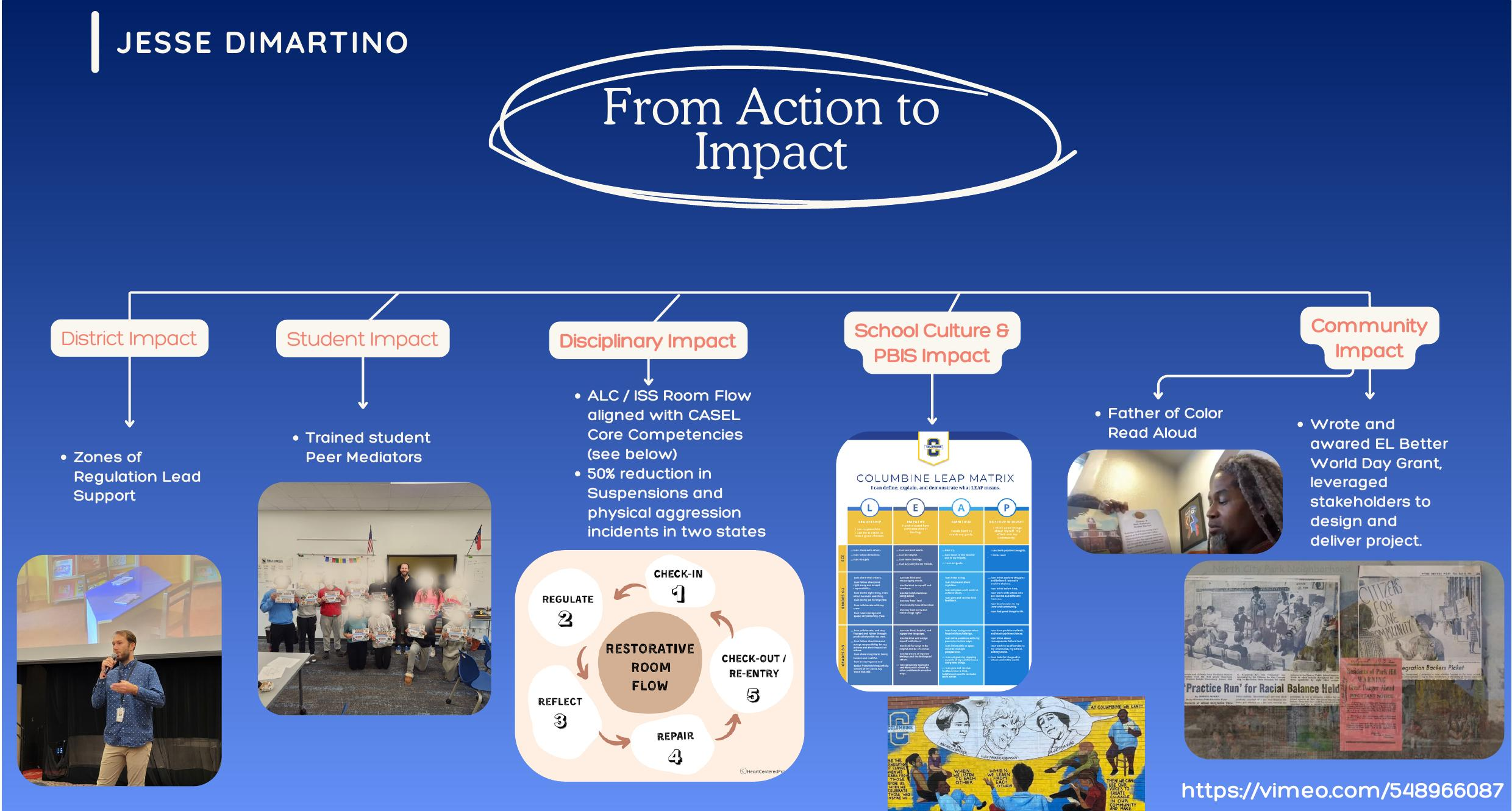
Nearly every middle school and high school in the U.S. has an In-School Suspension room. What if that room moved from punitive to restorative? What if it taught rather than shamed? The Student Support Room reimagines that space: a restorative, non-punitive room where students go to regulate, reflect, and re-enter instruction ready to learn, moving from co-regulation with adult support toward independent regulation.
It is an out-of-the-box model, built to drop into a school and use immediately. It can directly replace a standard ISS room or Alternative Learning Center, or be layered in as a new, standalone room. Built on the CASEL 5 core competencies and restorative practices, it strengthens Tier 1 practices and provides intentional support for every student, not just the ones already in crisis.
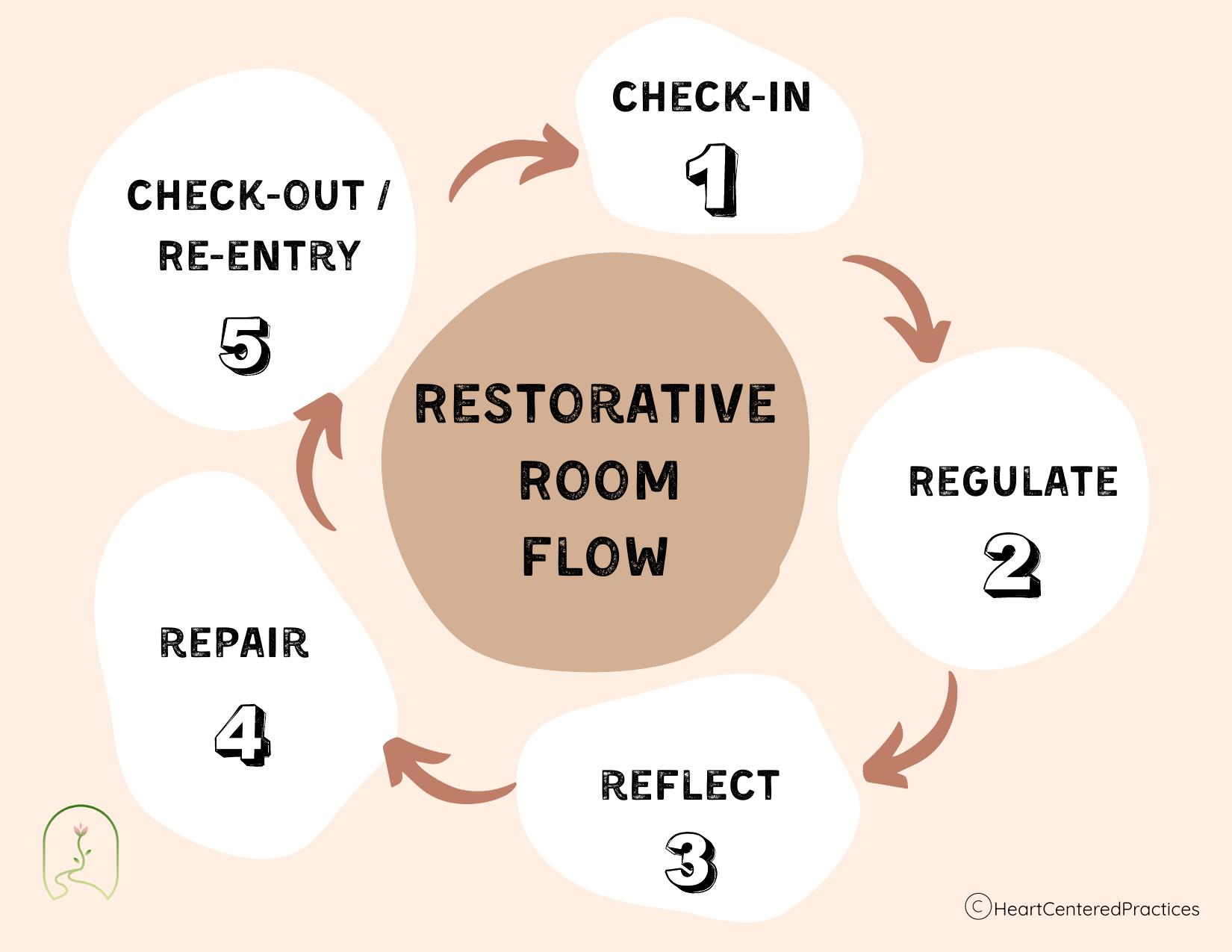
| Step | CASEL competency |
|---|---|
| 1. Check-In | Self-Awareness, identify emotions |
| 2. Regulate | Self-Management, manage emotions |
| 3. Reflect | Social Awareness, understand impact |
| 4. Repair | Decision-Making, make amends |
| 5. Check-Out / Re-Entry | Return to learning with new skills |
A model demonstrated across multiple districts, with the deepest data from its flagship site.
Demonstrated across Wake County Public Schools, Denver Public Schools, and the NYC Department of Education.
As Dean of Culture, Jesse led a schoolwide culture transformation that cut physical aggression incidents by 50%, built a sustainability-focused Culture Binder to keep the model running after he left, and trained 30+ peer mediators, the same peer-mediator approach now embedded at Herbert Akins Road.
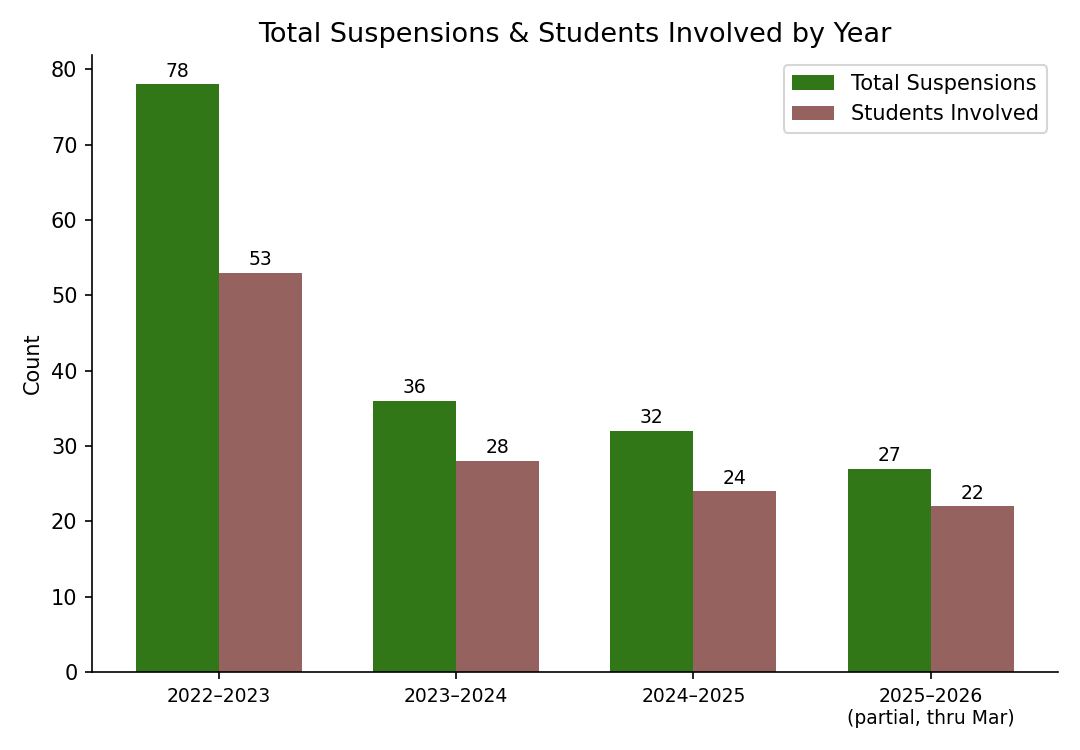
Most students who are suspended are suspended only once, evidence that wraparound supports teach skills that stick.
| School year | Total suspensions | Students involved |
|---|---|---|
| 2022-23 | 78 | 53 |
| 2023-24 | 36 | 28 |
| 2024-25 | 32 | 24 |
| 2025-26 (partial, through March) | 27 | 22 |
In every year, the number of suspensions sits only slightly above the number of unique students involved. That near one-to-one ratio means most students who are suspended are suspended only once, evidence the model's wraparound supports teach skills that stick, not just manage incidents in the moment.
Featured in
Collecting targeted data is essential in noticing patterns of student behavior and teacher practices so we can deliver intentional professional development opportunities.
Adkins & DiMartino, p. 10
About the book →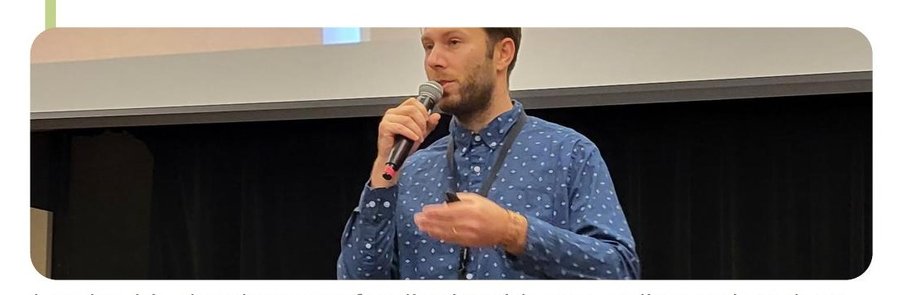
Leading a restorative practices training
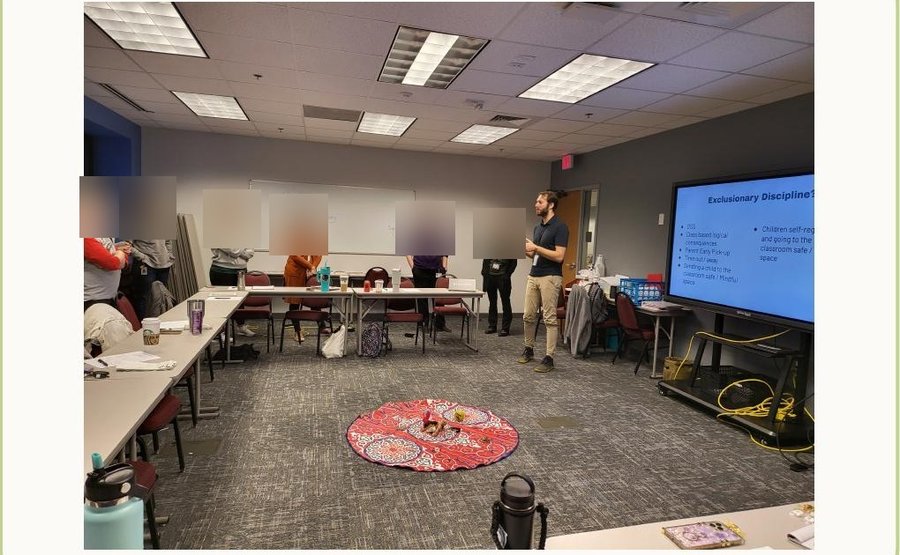
Professional development with school staff
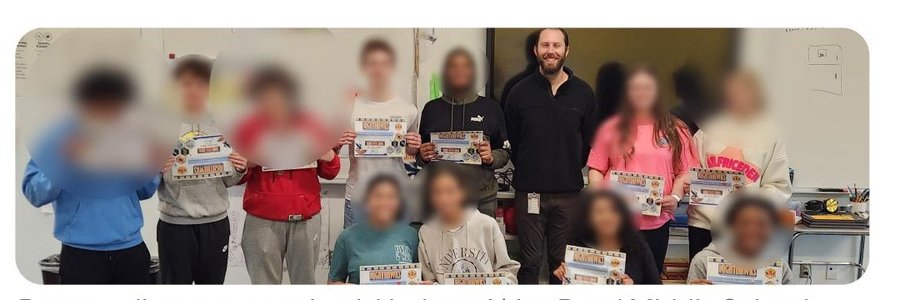
Peer mediators recognized, Herbert Akins Road Middle School
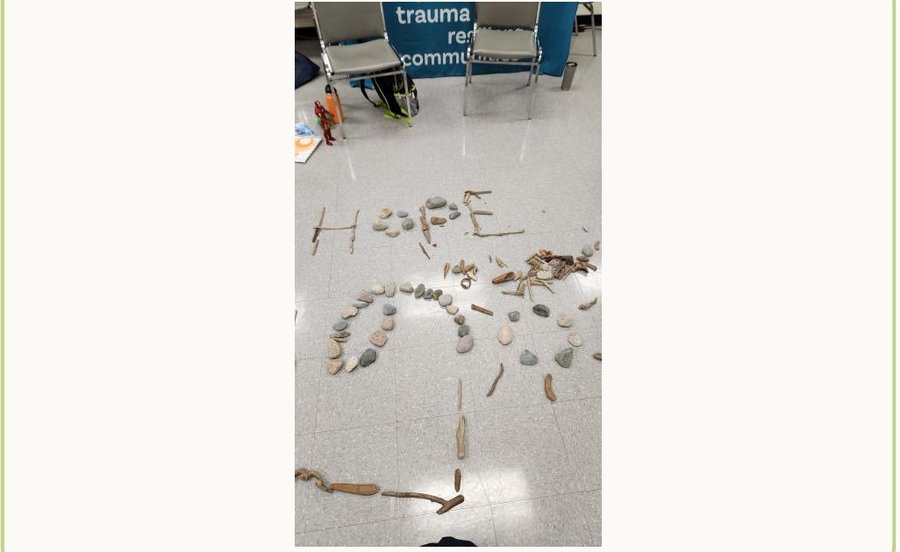
A driftwood activity from an Action4Equity training in Winston-Salem
Student-designed community mural — leadership, ambition, positive mindset
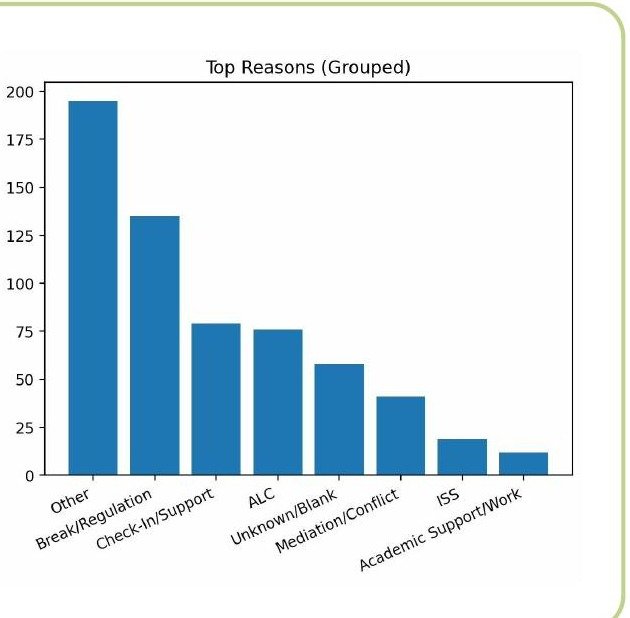
Top reasons for Student Support Room visits
Shift → Train → Maintain
Transform mindsets from punishment to growth.
Build educator capacity through skill development.
Establish sustainable systems with ongoing data collection.
Includes unlimited access to the Student Support Room model plus a custom-built data tracker form. One license covers one school. Inquire for district or multi-school pricing. Includes a free one-hour consultation call. An additional consultation hour is available for $50, a discounted rate exclusive to license holders.
Classroom-ready printables, filtered to what you need.
A visual map of how a student moves through the Student Support Room, start to finish.
View resourceThe five competencies behind every training and every room design we build.
View resourceEveryday moves for the whole classroom, not just students already struggling.
See all resources